


The Influence Of Hormonal Agent Therapy On Urinary System Incontinence
페이지 정보

조회 24회 작성일 26-09-20 09:01
본문
Her work demonstrated an eager awareness of wellness concerns, especially those related to urinary incontinence.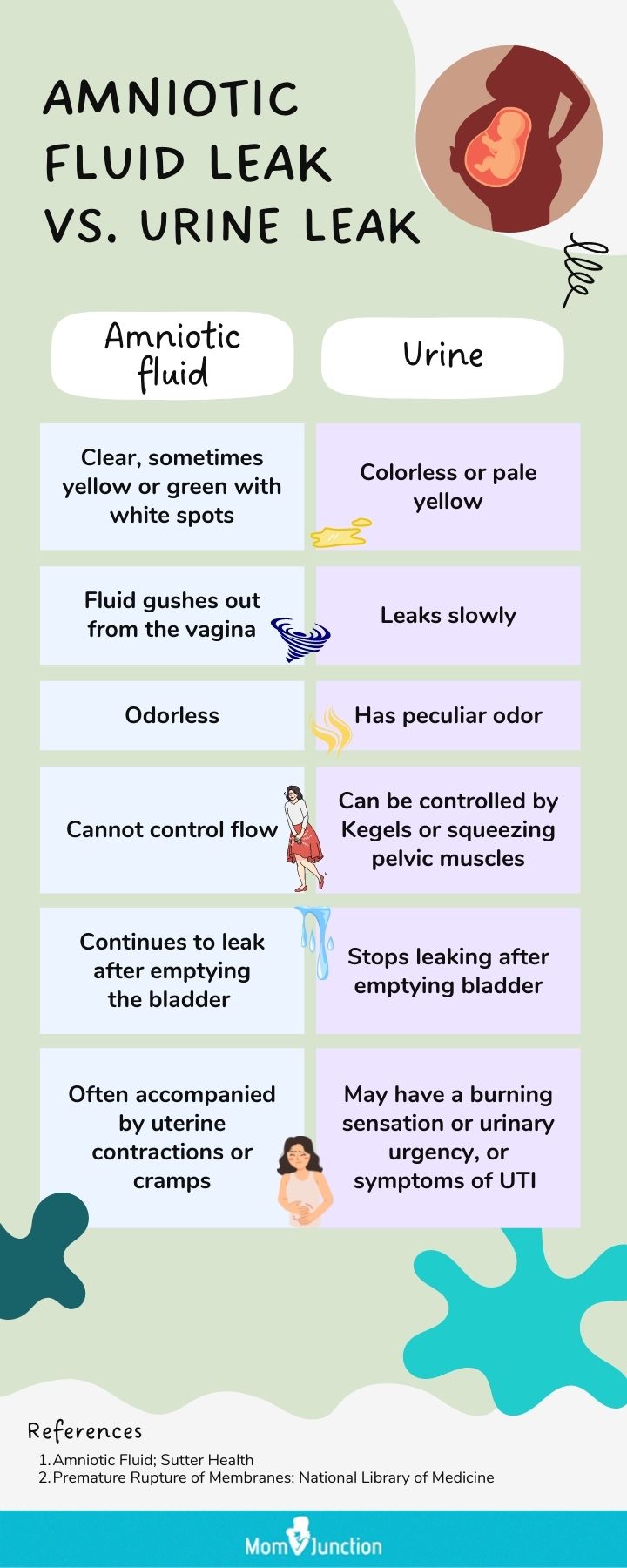 Perimenopause is a transition time that every woman will certainly go through in their life, from reproductive years to menopause. Perimenopause can begin prior to your last duration ends, normally between the late 30s and 50s.
Make an appointment with Dr. Allison Wyman for treatment options if you have urinary incontinence. Preventing tobacco use supports total urological wellness and decreases threats of complications. A well balanced diet rich in fruits, veggies, and entire grains supports hormone equilibrium and urinary system feature. Imaging tests, such as ultrasounds or MRIs, may be utilized to examine the bladder, prostate, and kidneys. Urodynamic studies analyze exactly how well the bladder and urethra shop and launch pee.
Most of the time this spontaneous leakage is a few decreases of pee, but it can become a full loss of control. Hormonal agents play a vital duty in removing waste through the urinary system and Urinary Frequency managing body organ feature. Changes in hormonal agent degrees can influence the bladder, muscles, and nerves involved in peeing. These changes may bring about urinary tract infections (UTIs), incontinence, or urinary system frequency.
Initially, reduced testosterone can add to a loss of muscle mass, consisting of the weakening of the pelvic flooring muscular tissues, which raises the threat of urinary system incontinence. Later on in life, the radical drop in estrogen throughout menopause triggers the tissues of the urethra and bladder cellular lining to become thinner, drier, and much less flexible. Since the pelvic floor is no longer as solid, the daily feeling of bladder pressure feels far more extreme. This commonly results in anxiety urinary incontinence (dripping when coughing or laughing) or an over active bladder that requires prompt, urgent restroom trips.
In this guy situation, Kegel exercises will not aid your urinary symptoms and might trigger much more troubles. Talk with your doctor or registered nurse about your urinary system symptoms prior to doing Kegel workouts. You and your medical professional or nurse will interact to develop a treatment plan.
- Physical adjustments like creating less estrogen, the thinning of genital tissues, pelvic organ prolapse, and trouble emptying the bladder can all contribute to constant UTIs.
- Way of life alterations are often one of the initial therapy approaches recommended for light to modest urinary system incontinence.
- There are several different types of urinary system incontinence, yet one of the most usual in women consist of stress and anxiety incontinence, impulse urinary incontinence, and mixed incontinence.
- While females can experience urinary incontinence and genital degeneration independently, both typically go together.
Why Does Menopause Enhance The Danger Of Bladder Leakages?
When pelvic flooring muscle mass are compromised, it can end up being challenging for your urinary system sphincter and urethra to hold in pee, resulting in unintentional leakage. Perimenopause can create a range of menopausal signs and symptoms, yet it can additionally create bladder leakages. This problem is known as urinary incontinence (UI) and it's really usual amongst older women. Practicing Kegel exercises can strengthen your pelvic flooring muscular tissues, decreasing stress incontinence. 4 in 10 ladies enhanced their signs and symptoms after attempting Kegels.9 Kegels can be done day-to-day and may be specifically helpful during pregnancy. They can aid prevent the weakening of pelvic floor muscle mass, which frequently takes place during pregnancy and giving birth.
The occurrence of UI among post-menopausal ladies ranged from 13.6% to 84.4%, with a complete frequency of 5394 (63.1%). Across research studies, the mean age of menopause varies, with some research studies reporting standards around 48 to 50 years. Several studies report that UI occurrence increases with age, especially in the postmenopausal period. UI signs, such as burning micturition and mixed UI, are kept in mind, typically related to the genitourinary syndrome of menopause (GSM) and nocturia. These signs are connected to reduced quality of life and substantial morbidity.
Recognizing Hormone Changes And Their Effect On Urological Health And Wellness
In severe situations, we might suggest an operation to resolve urinary incontinence, but this is typically a last resort. If surgical treatment is ideal for you, Houmam Al-Hakeem, MD, executes gynecologic robotic-assisted surgery. If you have a hysterectomy, the elimination of your womb activates menopause also if you aren't near the ordinary age of menopause. Prior to advising any type of treatment, Dr. Perez does an extensive test and testing to ensure you get the ideal option based on your makeup, your symptoms, and other elements for ideal results. The robot-assisted da Vinci surgical system uses innovative technology to carry out even intricate surgeries through tiny cuts.
Changes in hormonal agent degrees can make your bladder a lot more sensitive and susceptible to irritability, resulting in signs and symptoms like necessity and regular urination. Menopause typically happens in ladies in between the ages of 45 and 55, with the ordinary age around 51. It's defined as the all-natural cessation of menstruation as a result of a decrease in the manufacturing of hormonal agents like estrogen and progesterone by the ovaries. An extensive search of 911 scholarly publications yielded 469 replicate documents, which were subsequently left out.
Exactly How Can I Speak With My Medical Professional About Urinary System Incontinence
The ordinary age for menopause is years of ages, so symptoms could begin as soon as your very early 40s. You may find that way of living modifications alone aren't enough to completely solve urinary incontinence. Keep a journal of your symptoms, any triggers that make incontinence even worse, and the severity of your signs and symptoms. Menopause is the end of a woman's fertility and is marked as 12 successive months without a period, but you could experience signs and symptoms for months or perhaps years prior to you reach that 12-month turning point.